CASE STUDY · FIRMA.DE
How firma.de's 12-person team doubled capacity without doubling headcount.
the volume, absorbed by the same team2×
people in the entire company12
Illustration

2x the volume your team handles, or I keep building for free until you get there.
What each one costs today, and what it looks like fixed:
Today: Off-the-shelf tools force the job into their menus. People keep side spreadsheets to get around them.
Fixed: Programs, screens and workflows shaped around how your team works. They adapt as the work changes.
Today: Three businesses get the same enquiry. The fastest reply wins, not the cheapest. You reply hours later.
Fixed: Customers find you in Google and in AI answers. Every enquiry gets a reply within minutes, day or night.
Today: Five tools, five different numbers. Every month someone rebuilds the report by hand.
Fixed: All your data flows into one place, automatically. Dashboards show the real numbers, live.
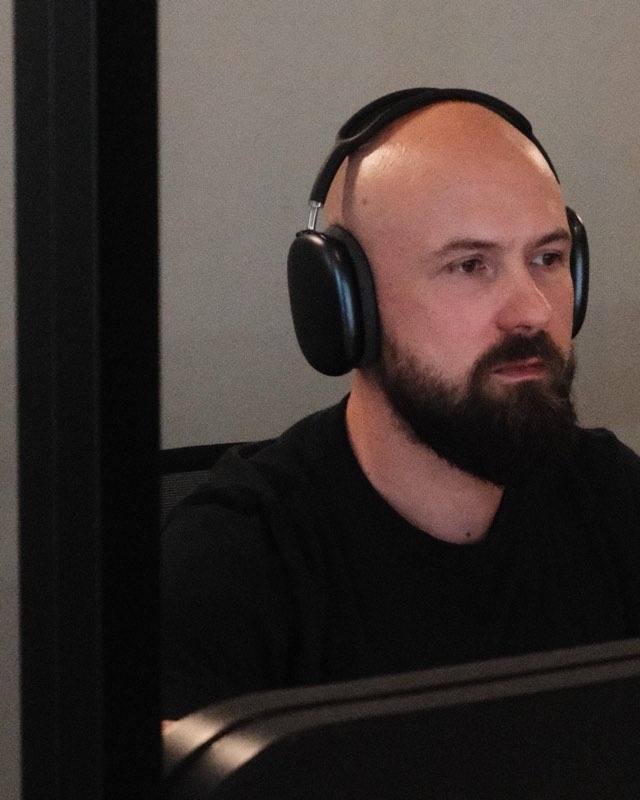
I've been building software for twenty years. I've shipped hundreds of web apps, services and products, and I was CTO at three startups. I know what works, and more importantly, I know what to avoid.
For most of that time I led three types of groups: the people who build the software, the people who decide what it should do, and the people who keep the daily work running. I took slow, manual work in operations and made it simple and automatic where I could. I also made sure the business people and the developers understood each other.
Now I do the same for growing companies that need to get more done without hiring more people. I decide what gets built. AI agents do the hands-on work. I check every result before it reaches you.
View my LinkedIn profile1 / 2
Six services, from the website to the back office.
Your website doesn't bring in work.
A site nobody finds, that loads slowly and hides the quote form, costs you enquiries every week. I rebuild it as one site your team can edit, keep every ranking you have, and wire the enquiries into the systems behind it.
Deals lost to a faster reply.
The business that answers first usually gets the job. I set up a system that answers every enquiry within minutes, day or night, qualifies it, and hands it to the right person with the conversation attached.
New clients wait days to get started.
Onboarding that runs on emails, PDFs and manual checks makes every new client wait. I build a platform workflow that collects the data once, checks it automatically, and moves each client to the next step without anyone chasing.
Software your team works around.
If a task your team repeats every day takes thirty clicks instead of one, the software is broken. I rebuild the system around how your team uses it: the screens people open most come first, repeated steps run as one action, and information moves between tools without anyone retyping it.
Nobody trusts the numbers.
When reports are put together by hand and the real numbers live in one person's head, every decision starts with rebuilding the spreadsheet. I connect your tools into one source of truth, so every report comes from one place.
Tech decisions with nobody senior in the room.
You want to improve, but the skills aren't in-house. I work as your fractional CTO a few days a month: I review the architecture, judge agency quotes, and make the build-or-buy calls with you.
WHAT CLIENTS SAY
“It has been a true pleasure working with Mircea for over nine years as the external CTO at firma.de. Throughout this time, he was responsible for our entire IT landscape and infrastructure, while also leading the development of our founder dashboard. No matter the challenge, he was always available, approachable, and ready to help. Working with him was not only highly productive but genuinely enjoyable.”
Choose how you would like to get in touch.
Pick a slot in my calendar and I'll call you then. 20 minutes, free, about the bottleneck you want gone.
Book Free CallTell me where time, leads or data get stuck. I reply within one working day, in writing or with a call.
Open the contact formMy AI assistant answers in seconds, 24/7, and I take over the conversation.
Open WhatsApp